Caregiving often fills the day with practical tasks and little room to pause. These eight gift ideas offer useful ways to support comfort, planning, hydration, and downtime.
Choose with the recipient’s routine in mind: a thoughtful fit for their workday or a quiet moment can make an everyday item feel personal.
8 Gift Ideas for Caregivers to Support Their Daily Routines
MyHalos 3D Sleep Mask, 2-Pack
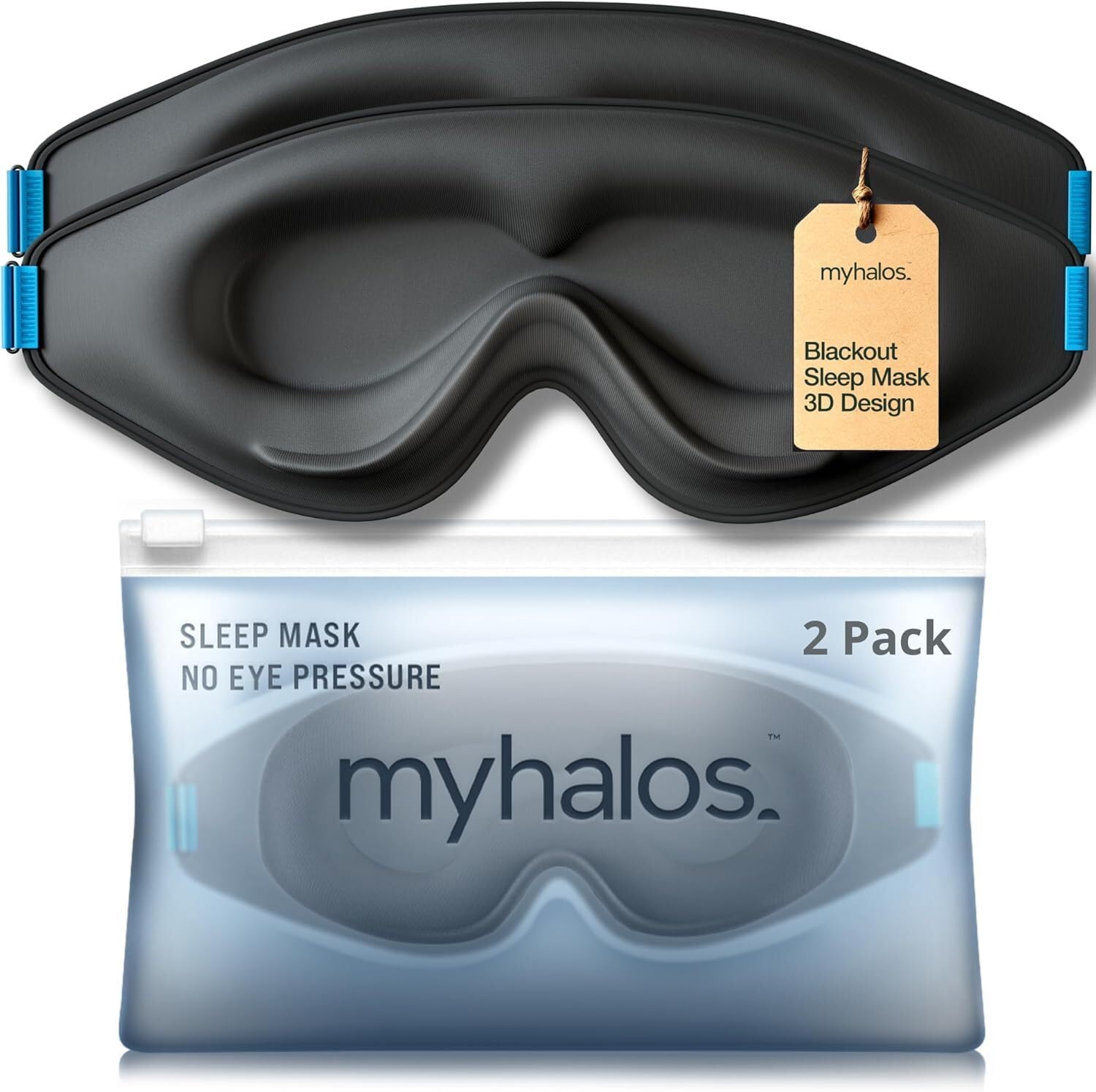
- Contoured eye cups are designed to avoid pressure on eyelids and lashes.
- The adjustable strap allows a more customized fit for side sleeping.
- Includes a protective pouch for packing on trips.
Best Gift For: A caregiver who travels, works night shifts, or appreciates a darker setting for rest.

Zyllion Shiatsu Back and Neck Massager with Heat
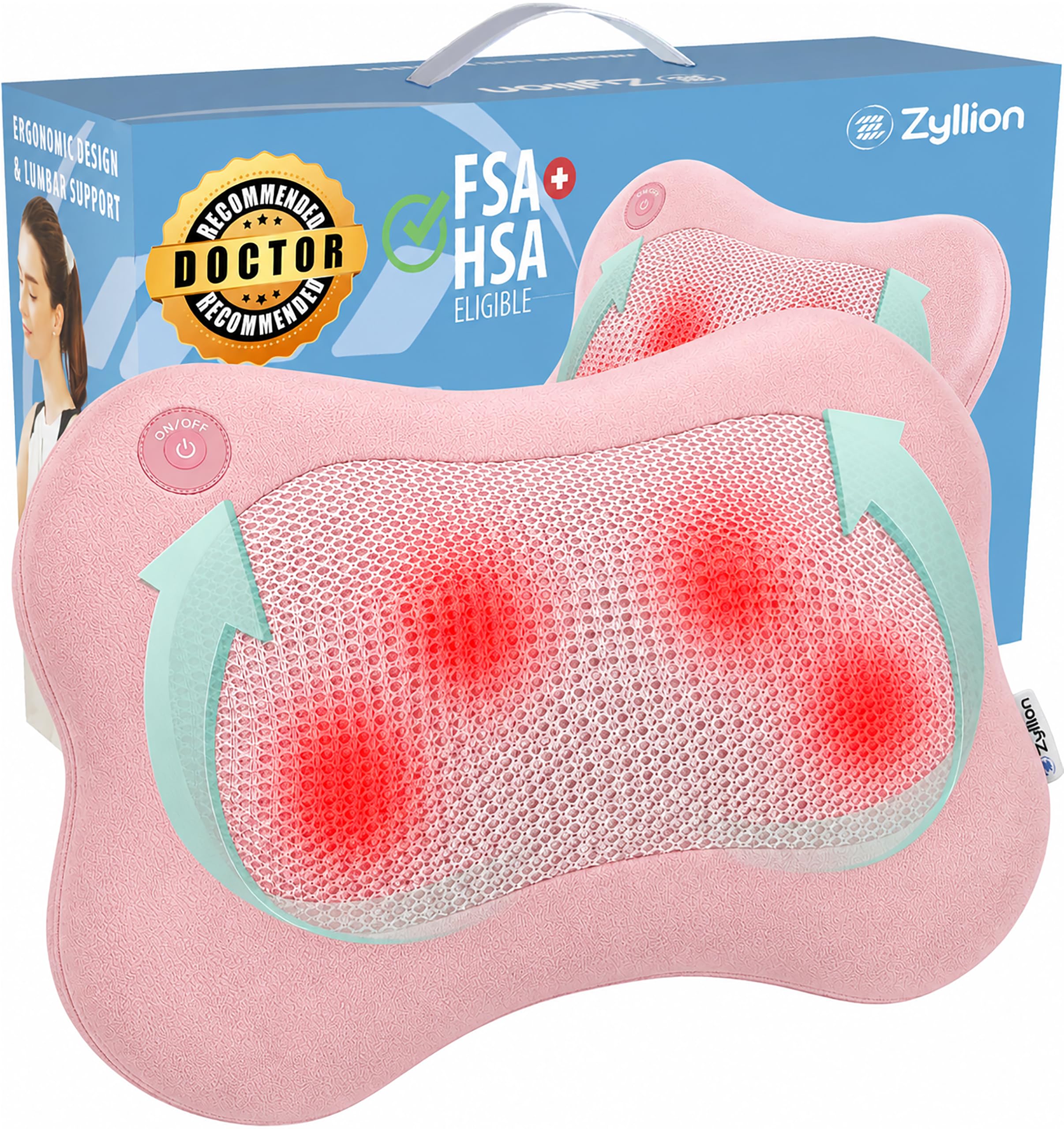
- Two soft silicone nodes on each side create a kneading sensation.
- The massager plugs in and has a 6-foot cord.
- Heat includes overheat protection and automatic shutoff after 20 minutes.
Best Gift For: A caregiver looking for a plug-in massage option for home or a supported chair.
Everlasting Comfort Memory Foam Foot Rest
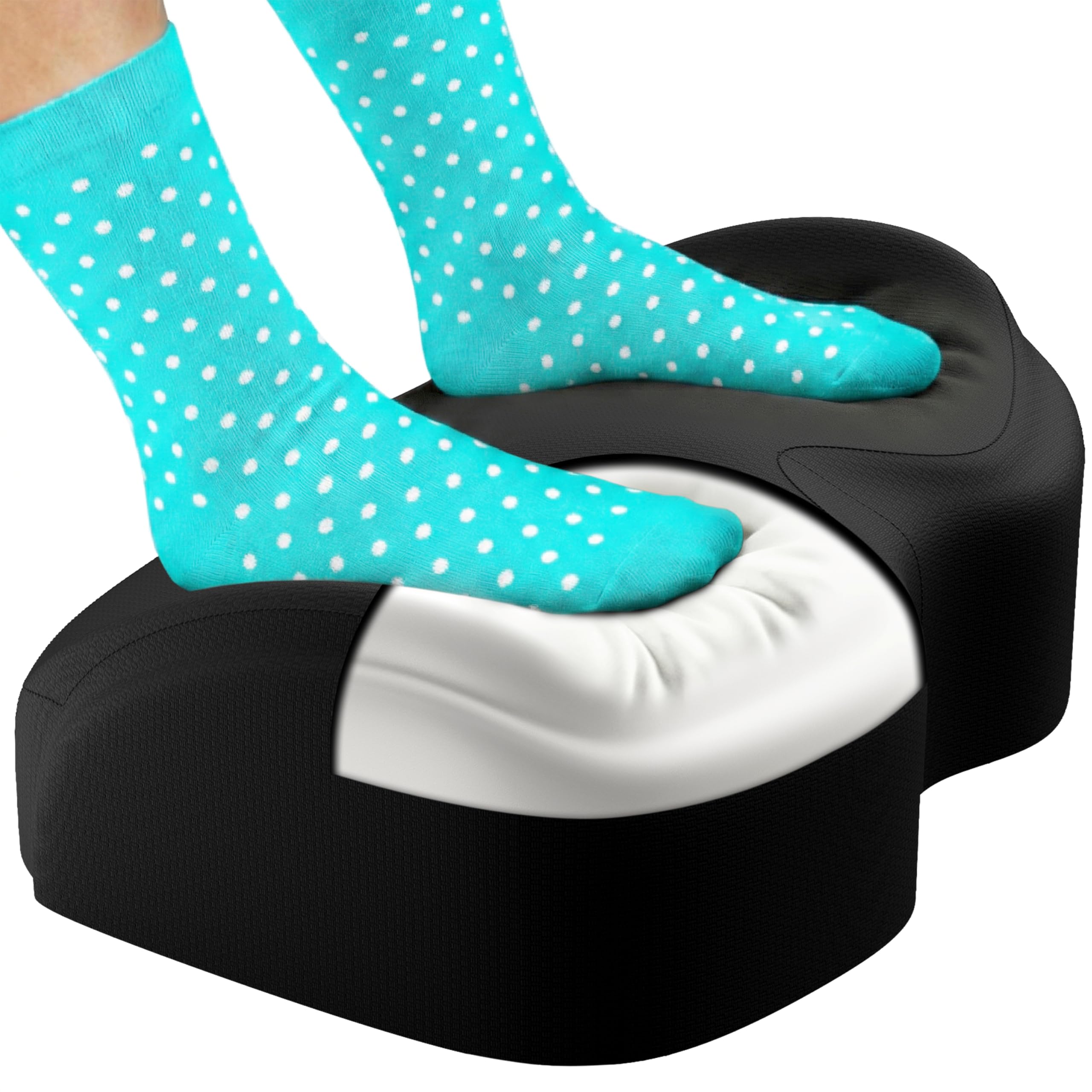
- High-density memory foam conforms to the feet for comfort and support.
- Its cover is breathable and machine washable.
- A non-slip bottom helps it stay in place on several floor types.
Best Gift For: A caregiver who spends time working at a desk or gaming station.
Cross Classic Century 23KT Gold Plated Ballpoint Pen

- The slim metal body has a distinctive look and flush details.
- A swivel-action mechanism extends the writing tip.
- Arrives in a gift box and is easy to carry in a bag or pocket.
Best Gift For: A caregiver who enjoys writing notes, journaling, or keeping a pen close at hand.
Hydracy 2L Motivational Water Bottle
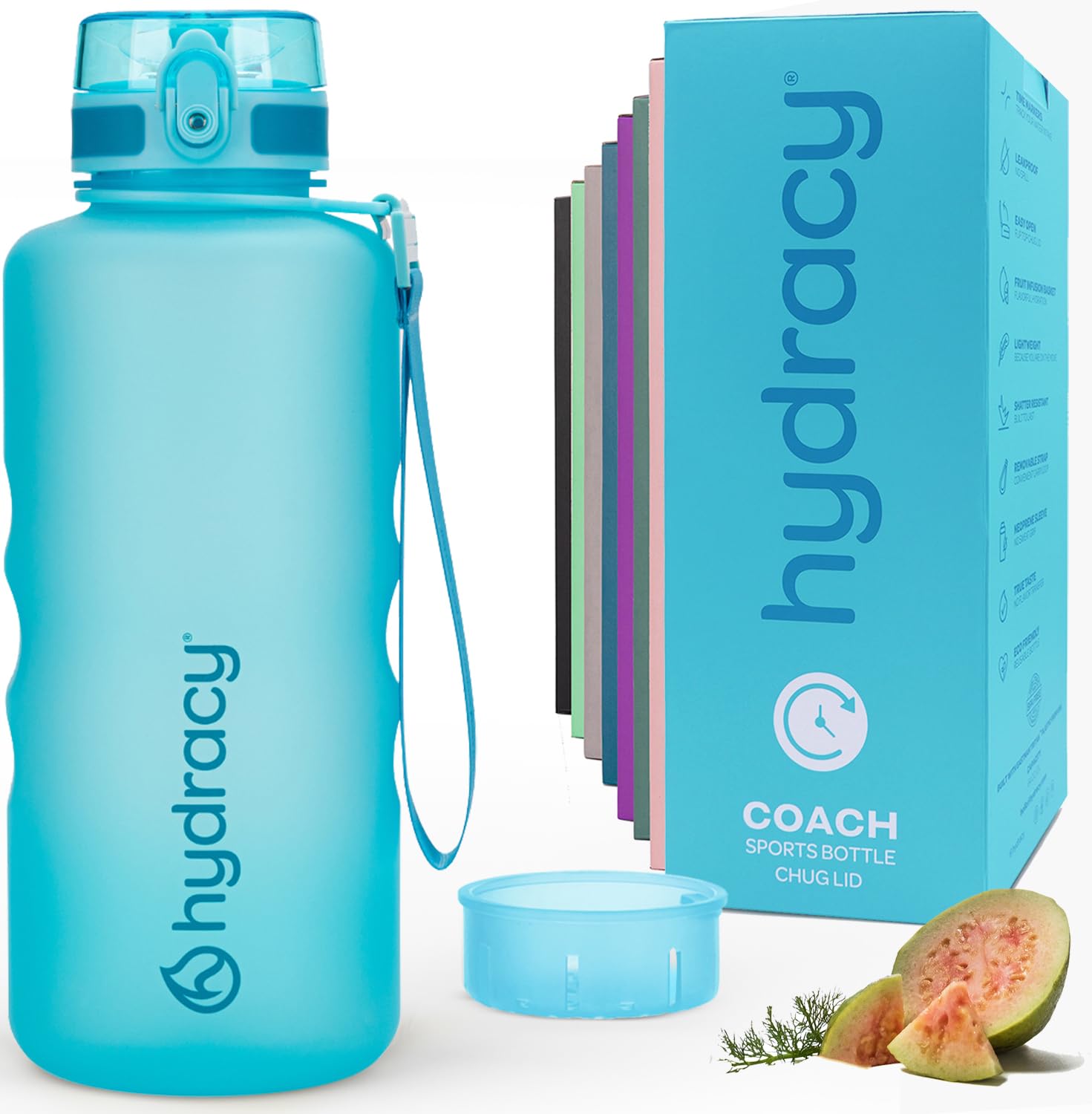
- A timeline provides reminders for when to take the next sip.
- The bottle has a detachable carry strap and a flip-top lid.
- A fruit infusion strainer is included in the design.
Best Gift For: A caregiver who wants a reusable bottle for walks, workouts, or outdoor activities.
Clever Fox Planner PRO Light, Undated

- The layout supports monthly, weekly, and daily planning.
- Because it is undated, the planner can be started at any time of year.
- Includes a quick start guide and colorful planning stickers.
Best Gift For: A caregiver who likes setting goals and organizing monthly and weekly plans.
SONGMICS Adjustable Bed Laptop Desk
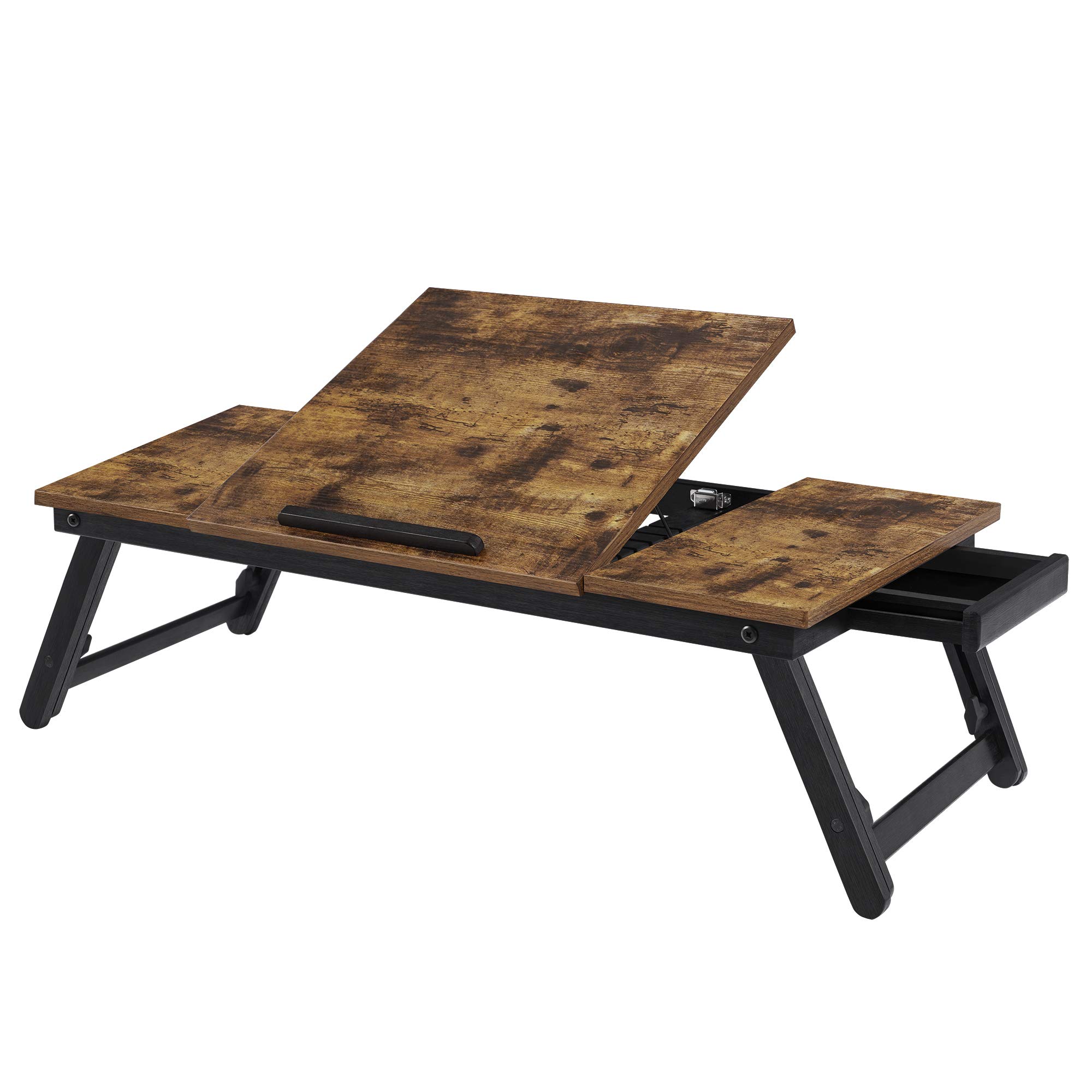
- The tilt top offers 5 angle settings, and the desk legs adjust in height.
- Its symmetrical desktop leaves mouse space on either side.
- The desktop can be flattened for other uses, including breakfast in bed.
Best Gift For: A caregiver who would appreciate a portable surface for reading, writing, or breakfast in bed.
RENPHO Full Foot Massager with Heat
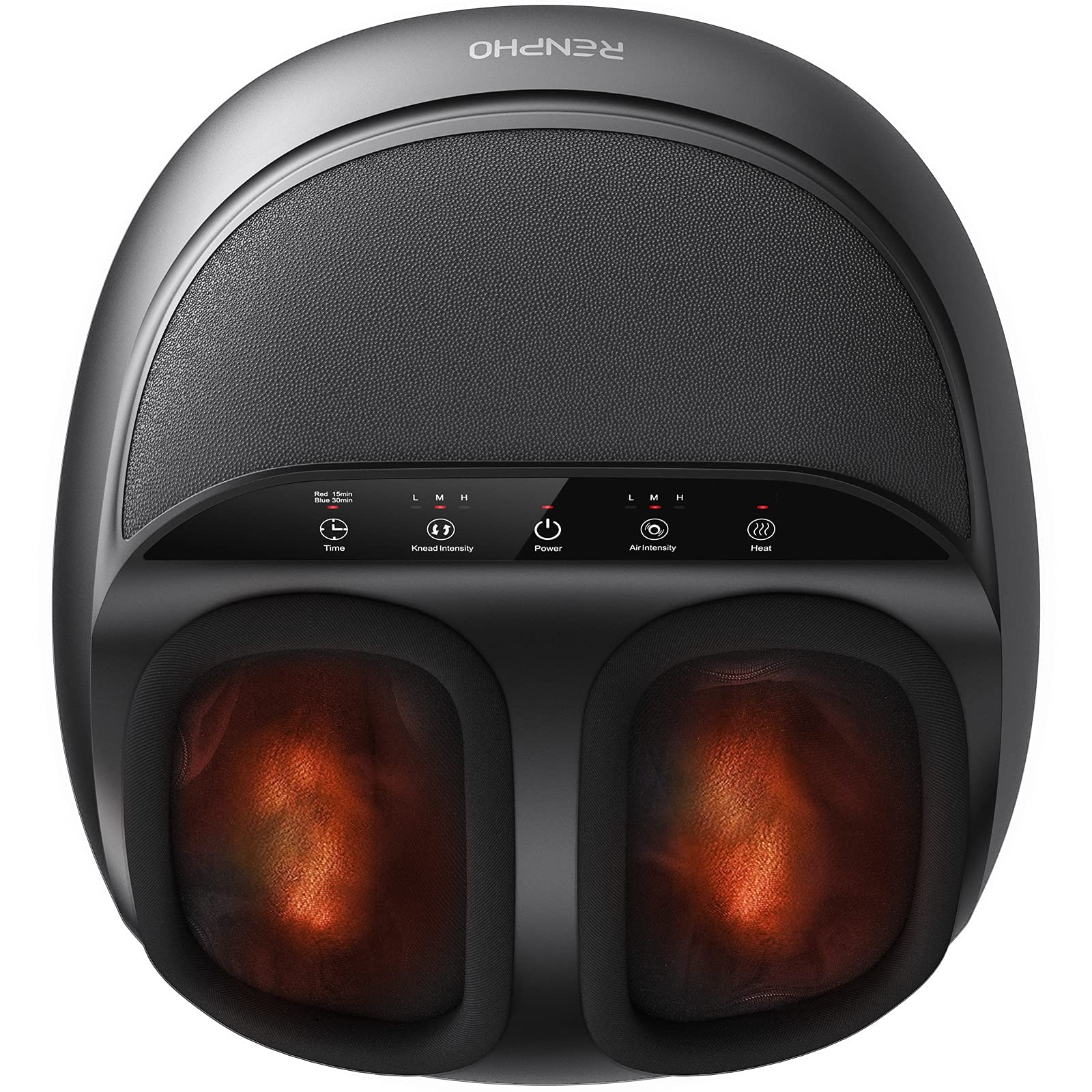
- Combines a rotation ball, rolling stick, and heating.
- Choose from 3 kneading and 3 squeeze intensities to adjust the foot massage.
- The foot chambers have removable, washable cloth sleeves.
Best Gift For: A caregiver who may enjoy a foot massage at home after work or exercise.
Choosing gifts for caregivers around everyday routines
When choosing gifts for caregivers, start with the parts of the day that seem busiest. Someone who handles appointments and paperwork may value a tool that helps organize tasks, while a person who spends long stretches seated might appreciate a small comfort for their work area.
Consider where the gift will be used. A portable item can fit a commute or a bag between visits; a larger comfort item makes more sense when the recipient has a dependable place to use it at home.
Think about their habits instead of assuming every caregiver wants the same kind of break.
If you are unsure, choose something that supports a routine they already have. A bottle for someone who carries one, a planner for a person who writes lists, or a reading surface for someone who likes quiet time can feel attentive without adding a new obligation.
Balancing budgets and practical value
Caregiver gifts can be meaningful at many budget levels. A modest everyday accessory may get frequent use, while a more substantial comfort gift may suit a close family member or a shared gift from several people.
Choose the amount that feels comfortable for your relationship and circumstances.
Before buying, check current prices and compare what is included. For products with accessories or ongoing supplies, think about whether the recipient will need anything else to use the gift as intended.
This helps a thoughtful purchase stay practical after the wrapping comes off.
Compatibility and fit matter as much as the gift category. Check dimensions, desk or chair setup, preferred writing format, and other relevant details against the recipient’s space and habits.
If you cannot confirm those details, a simpler and more flexible gift may be easier to enjoy.
Personalizing gifts for caregivers
When personalizing gifts for caregivers, connect the item to a specific part of the person’s life. A short note might recognize how they make time for a favorite walk, keep family plans coordinated, or create a calm corner at home.
The message makes the gift feel considered without asking for anything in return.
Presentation can be simple and useful. Pair a planning tool with a handwritten note of appreciation, or wrap a comfort item in a way that is easy to open and store.
If you are giving as a group, agree on one clear message so the recipient hears sincere thanks rather than a list of expectations.
Keep the focus on appreciation, not on telling someone how to manage their time or health. A gift should fit their preferences and leave room for choice.
If you are uncertain about a personal item, ask a close family member about color, style, or existing routines without spoiling the gesture.
Thoughtful timing and low-pressure giving
A gift does not need to wait for a holiday. A thank-you after a demanding stretch, a birthday, or a milestone can all be natural moments.
For caregivers who prefer privacy, give it one-on-one; for someone who enjoys a group celebration, a shared card can let several people express gratitude.
Avoid making the gift another task. Choose something that is ready to use or straightforward to set up, and include a note that does not require a response.
If it needs a particular place or routine, make sure that fits the recipient’s home and schedule before you commit.
For a larger item, ask discreetly whether the recipient has room and interest. A returnable option can also help when preferences are hard to predict.
The aim is to offer comfort or usefulness in a way that respects the person’s time and keeps the gesture easy to accept.
Last-minute gifts for caregivers
For a last-minute choice, focus on what you can verify. Check the product’s current details, dimensions, compatibility, and delivery estimates before ordering, since availability and arrival timing can vary.
If the timing is uncertain, a card with a personal message can explain that a gift is on its way without promising a date.
A local store may offer a practical alternative when shipping timing is tight. Keep the same decision process: choose for a known habit, check that the item suits the recipient, and include a sincere note.
A modest, well-matched gift can feel more thoughtful than a rushed purchase chosen only for its size.
If you are buying for someone outside your household, consider whether the package will be easy for them to receive and store. When in doubt, coordinate quietly with a trusted person close to them.
That small check can make the experience smoother while keeping the gesture warm and uncomplicated.